
How Liquidated Damages Clauses Affect Breach of Contract Cases
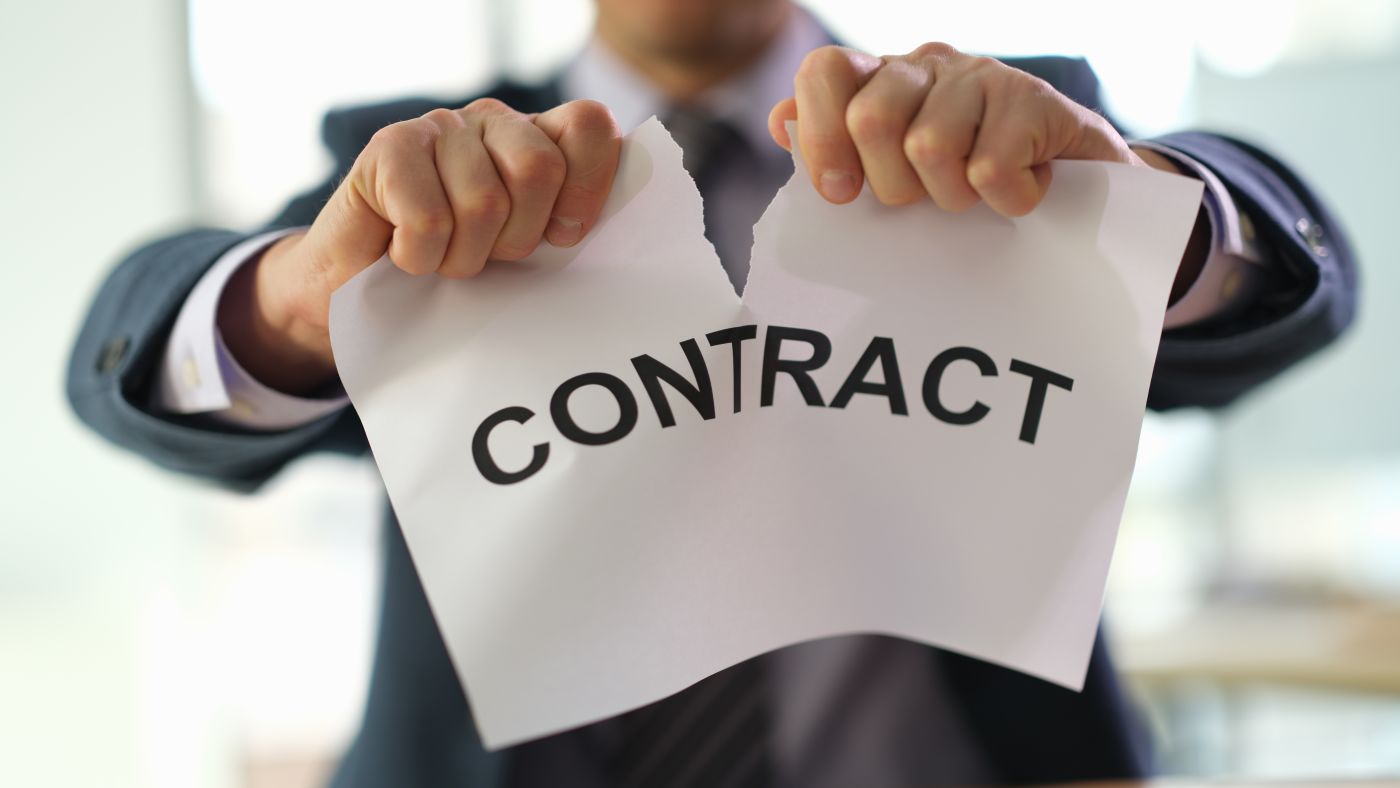
Breach of contract disputes can be stressful and difficult to manage, especially when a contract includes a liquidated damages clause. These provisions establish a predetermined amount that one party must pay if they fail to meet their contractual obligations. While they are intended to provide clarity and predictability, they can also raise questions during enforcement and negotiation.
At Marquez’ Law, I understand how challenging these situations can be, particularly for business owners working to protect their interests. As an experienced business law attorney, I help clients review contracts, evaluate potential liabilities, and protect their rights when disputes arise. My firm supports clients in Central Florida, including Orlando, West Palm Beach, Orange County, Osceola County, and Seminole County, as well as South Florida, including Palm Beach and Broward County, helping them understand how liquidated damages clauses work under Florida law. If you’re concerned about how a liquidated damages clause might affect your business, contact me to discuss your situation and explore your legal options.
Liquidated damages clauses are contractual provisions that specify a fixed amount of money to be paid if a party breaches the contract. These clauses are often included in commercial agreements to provide certainty and avoid lengthy disputes over actual damages.
Florida courts generally uphold liquidated damages clauses if they meet two key criteria:
Reasonable forecast of loss: The amount must reflect a reasonable estimate of potential damages at the time the contract is signed.
Difficulty in calculating actual damages: Damages are difficult to determine accurately if a breach occurs.
By including a liquidated damages clause, parties can reduce uncertainty in business transactions. However, if a clause is deemed punitive rather than compensatory, courts refuse to enforce it. Reviewing these clauses carefully with an experienced lawyer can prevent unintended consequences in future business law disputes.
When a breach occurs, liquidated damages clauses can significantly influence the outcome of a case. They provide a starting point for negotiations or litigation, but their enforceability depends on how the contract was drafted and the circumstances surrounding the breach.
Courts consider several factors when evaluating liquidated damages in breach of contract cases:
Proportionality to actual harm: The predetermined amount should reflect a reasonable estimate of the harm caused by the breach.
Intent of the parties: Courts examine whether the clause was intended as compensation for anticipated losses rather than punishment.
Timing of the clause: The clause should be clearly agreed upon at the time the contract was formed, not after a breach has occurred.
Contractual clarity: Ambiguous or vague language can lead to disputes about the applicability of the clause.
By understanding these factors, you can better anticipate how a liquidated damages clause might affect a potential breach of contract case and plan your next steps.
To illustrate how liquidated damages clauses operate, consider the following common scenarios. These examples show how predetermined damages can apply in different industries and contractual contexts.
Construction contracts: A contractor agrees to complete a project by a specific date. A liquidated damages clause specifies a daily penalty for delays, reflecting the owner’s anticipated losses from the delayed opening.
Service agreements: A vendor fails to meet service level commitments. The contract includes a liquidated damages provision calculating fees for each unmet standard.
Sales contracts: A supplier delivers goods late or in insufficient quantities. Pre-agreed damages cover anticipated losses for the buyer.
Employment agreements: An executive leaves before completing a contract term. The liquidated damages clause specifies repayment of signing bonuses or relocation expenses.
Software development contracts: Delays in delivery or failure to meet specifications trigger liquidated damages to account for potential lost revenue or project setbacks.
Each of these examples demonstrates how careful drafting and business law considerations can protect both parties and reduce disputes over actual damages. Working with an experienced lawyer can help identify potential pitfalls and clarify the enforceability of such clauses.
Drafting a liquidated damages clause requires balancing certainty with fairness. Poorly drafted clauses can lead to disputes or even render the provision unenforceable. Here are some key tips to consider:
Estimate losses accurately: The clause should reflect a reasonable estimated forecast of damages at the time the contract is formed.
Clearly define breaches: Specify which breaches trigger liquidated damages to reduce ambiguity.
Avoid punitive amounts: The clause should compensate for anticipated harm, not punish the breaching party.
Include notice requirements: Define the procedures for invoking the clause to avoid procedural disputes.
Consult an experienced business law attorney: They can help draft enforceable clauses tailored to your specific industry and risks.
By following these guidelines, parties can create liquidated damages clauses that are fair, enforceable, and effective in mitigating disputes. Clear drafting also reduces the likelihood of litigation and promotes smoother business operations.
Breach of contract cases can disrupt operations and create uncertainty for your business. When liquidated damages clauses are involved, the stakes can be even higher, especially if the amounts at issue are significant. If you’re dealing with disputes involving liquidated damages clauses, it’s important to seek guidance early.
A timely review of your contracts and clauses can prevent unnecessary financial exposure and protect your business interests. At Marquez’ Law, I provide personalized advice, assess your situation, and work to achieve a resolution that aligns with your goals. Reach out to us to discuss how I can help safeguard your business.
Liquidated damages clauses play a critical role in breach of contract cases. By understanding their purpose, enforceability, and practical implications, you can make informed decisions and protect your business. Proper drafting, careful evaluation of potential breaches, and collaboration with a business law attorney are essential for mitigating risks and achieving favorable outcomes.
Business owners and individuals dealing with contract disputes in Orlando, West Palm Beach, Orange County, Osceola County, Seminole County, or South Florida, including Palm Beach and Broward County, can reach out to my firm for knowledgeable and compassionate legal guidance. Call today to learn how I can help with liquidated damages clauses, breach of contract disputes, and other business law matters.