
Case Defense Grounded in Florida Procedure
Criminal Defense Overview in Orlando for individuals charged with misdemeanors or felonies in Orange County courts
Florida criminal charges trigger a procedural timeline that begins with arrest and moves through arraignment, discovery, motion hearings, and trial unless a resolution is reached through negotiation. Marquez Law represents clients facing criminal charges across Central Florida counties, evaluating each case for defenses based on evidence legality, witness credibility, and constitutional protections. Defense strategy development begins at the first consultation, where the arrest circumstances, charged offenses, and prior criminal history are reviewed to identify what arguments can be raised in court.
Criminal defense involves challenging the prosecution's evidence through motions to suppress unlawfully obtained statements or physical evidence, cross-examining state witnesses to expose inconsistencies, and negotiating with prosecutors when plea agreements serve the client's interest better than trial risk. The goal is to achieve the best possible outcome given the facts, which may mean charge reduction, diversion program eligibility, or acquittal depending on case specifics.
Schedule an initial consultation to review the charges filed against you and the evidence the state intends to present.
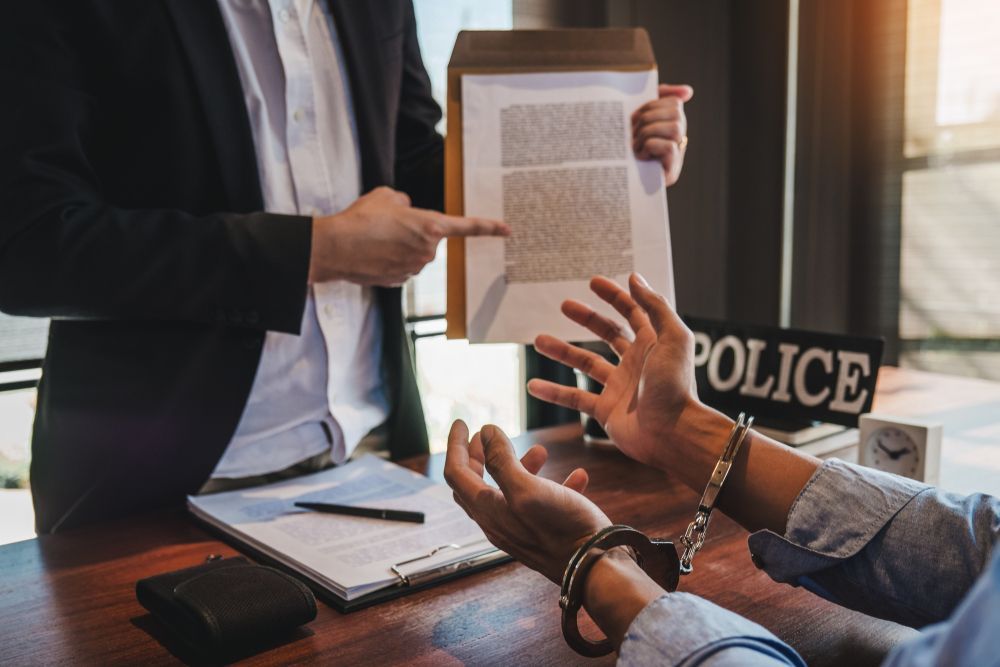
What Defense Representation Involves
Representation begins with obtaining discovery from the state attorney's office, including police reports, witness statements, body camera footage, forensic test results, and any physical evidence the prosecution plans to introduce at trial. Each piece of evidence is reviewed for legal sufficiency and procedural compliance, and motions are filed when evidence was obtained through illegal search, coerced statements, or violated constitutional rights.
Court appearances include arraignment where you enter a plea, pretrial conferences where motions are argued and plea offers are discussed, and trial if the case proceeds to a jury or judge verdict. You receive updates after each court event, including what motions were granted, what plea offers were extended, and what decisions must be made before the next scheduled hearing.
Orange County and Palm Beach County courts operate on different docket schedules and have different local rules regarding motion deadlines, discovery timelines, and pretrial diversion eligibility. Familiarity with local prosecution practices and individual prosecutors' negotiation tendencies affects how cases are approached and what outcomes are realistically achievable.
Answers to Defense Questions
Criminal charges create uncertainty about court procedures, potential penalties, and defense options. These answers address what clients typically ask when facing prosecution.
What happens at my arraignment hearing?
Arraignment is where formal charges are read, you enter a plea of guilty, not guilty, or no contest, and the judge sets bond conditions or releases you on your own recognizance depending on the offense severity and your criminal history.
Can my charges be reduced or dismissed before trial?
Charges can be reduced through negotiation if the evidence has weaknesses, witnesses are unavailable, or mitigating circumstances support a lesser offense, and cases are dismissed when motions to suppress eliminate essential evidence or the state cannot meet its burden of proof.
What should I do if police want to question me about a crime?
You have the right to remain silent and request an attorney before answering any questions, and anything you say to police can be used against you in court regardless of whether you are under arrest at the time.
How does a criminal conviction affect my future in Florida?
Convictions create a permanent criminal record that appears in background checks for employment, housing, and professional licensing, and felony convictions result in loss of voting rights and firearm possession rights until rights are restored through clemency.
What is the difference between a plea deal and going to trial?
A plea agreement resolves the case with an agreed-upon sentence, eliminating trial risk but requiring you to give up your right to challenge the evidence, while trial allows you to force the state to prove its case beyond a reasonable doubt but carries the risk of harsher penalties if convicted.
Stacey Marquez handles criminal matters across Central Florida courts and maintains communication with clients throughout the defense process. Request a case evaluation to discuss the specific charges you are facing and what defense strategies apply.