
Reuniting Families Across Immigration Processes
Family Immigration & Green Cards in Orlando for relatives separated by borders and visa timelines
Family reunification through U.S. immigration requires documentation of qualifying relationships, proof of financial support, and navigation of USCIS processing centers that handle Florida applications. Marquez Law handles family-based immigration and green card applications for Central Florida families working to bring spouses, children, parents, or siblings into the United States legally. The process involves multiple government agencies, strict evidence requirements, and timelines that vary based on the family member's country of origin and the type of relationship being claimed.
Family-based immigration cases depend on whether the sponsoring relative is a U.S. citizen or lawful permanent resident, which determines both eligibility and processing priority. The application requires proof of the family relationship through birth certificates, marriage licenses, or adoption decrees, along with financial documents demonstrating the sponsor's ability to support the incoming family member above poverty guidelines.
Schedule a consultation to evaluate your family relationship status and determine the appropriate visa category for your situation.
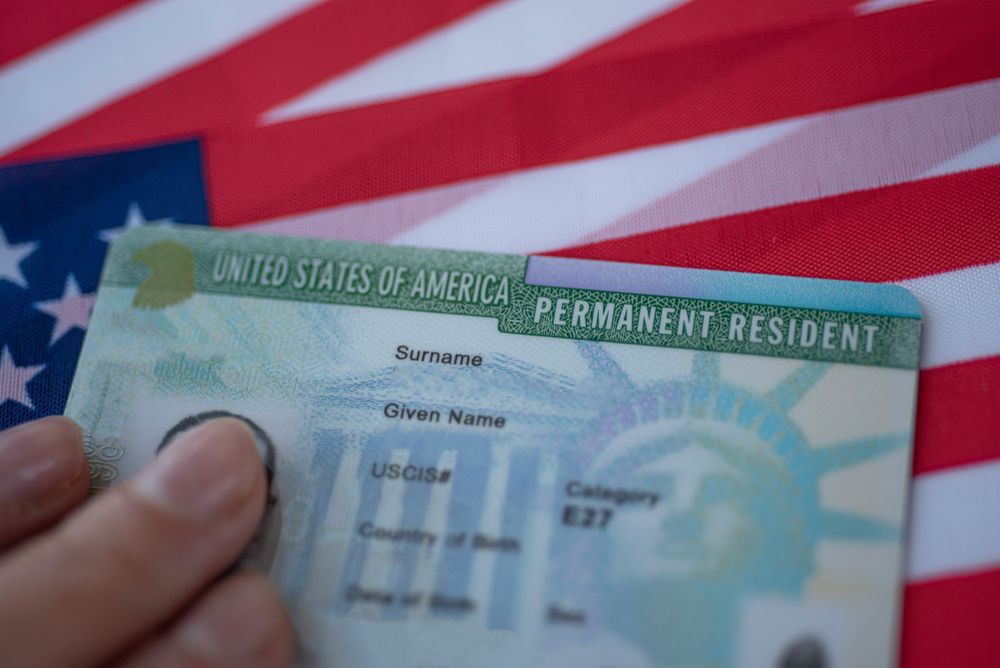
What the Application Process Requires
Petition preparation begins with determining whether the family relationship qualifies under U.S. immigration law and gathering documents that prove the connection. Immediate relatives of U.S. citizens—spouses, unmarried children under 21, and parents—are not subject to numerical caps, while other family categories face annual limits and waiting periods that can extend years depending on the preference category and country of origin.
Once USCIS approves the initial petition, the case moves either to consular processing if the family member is abroad or to adjustment of status if they are already in the United States under valid entry. You receive updates on petition status, requests for additional evidence, and interview scheduling through multiple stages of review.
The process includes medical examinations, background checks, and sworn statements regarding the sponsor's financial ability to support the applicant. Cases involving prior immigration violations, unlawful presence, or criminal history require additional legal evaluation to determine whether waivers or other relief options apply before proceeding.
Questions Families Ask About Immigration Applications
Immigration law creates confusion around timelines, eligibility, and required documentation. These answers address what families typically want to know when beginning the petition process.
What family members can I sponsor for a green card?
U.S. citizens can sponsor spouses, children, parents, and siblings, while lawful permanent residents can only sponsor spouses and unmarried children, with longer wait times for visa availability.
How does Florida's USCIS processing affect my case timeline?
Applications filed by Orlando residents are processed through USCIS service centers that handle multi-state regions, and consular interviews for family members abroad often occur at U.S. embassies in their home countries, with processing times varying by location and case complexity.
What happens if my relative entered the United States without inspection?
Unlawful entry complicates adjustment of status eligibility and may require a waiver application or consular processing with a bar on reentry, depending on how long the person remained unlawfully present.
What financial documents do I need to sponsor a family member?
You must provide tax returns, pay stubs, and employment verification showing income at least 125 percent of the federal poverty guidelines for your household size, or secure a joint sponsor who meets the income requirement.
How long does the entire family immigration process take?
Immediate relatives of U.S. citizens typically see processing completed within 12 to 18 months, while preference categories for siblings or married children can involve wait times exceeding a decade based on visa bulletin priority dates.
Marquez Law evaluates your specific family structure and immigration history to identify the most direct path toward reunification. Request a case assessment to review your documentation and determine next steps for filing your petition.